What I learned from 20 years of building ERPs
After 20 years building ERP systems for factories, wholesalers, and gemstone companies, I learned the same lesson over and over. Here's what actually matters.
For 20 years, I built ERP systems for other people. Factories, wholesalers, gemstone dealers. The system would go live, and within a month, half the team had gone back to spreadsheets.
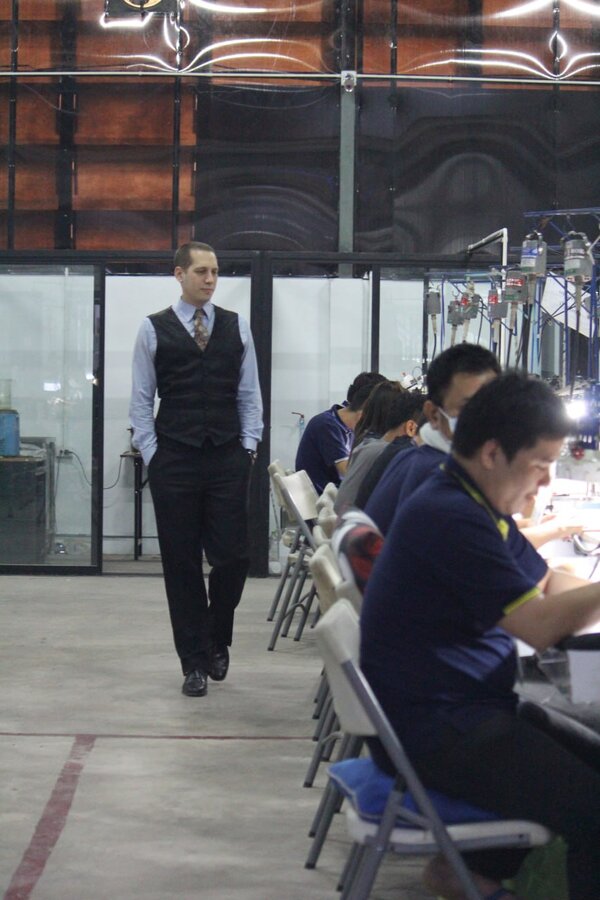
I started with Gemwares - an ERP for jewelry factories. Jewelry is one of the hardest inventory problems out there. Every piece is unique. Stones have grades, colors, carat weights. Metals have purity levels. A single ring might contain five different materials, each with its own cost curve. If your ERP can handle jewelry, it can handle almost anything.
Then I built supply chain systems for food and wholesale companies. Perishable goods, batch tracking, expiration dates, multi-location transfers. These businesses don't have time for slow software. When a restaurant needs to know how much chicken is in the walk-in cooler, they need to know right now - not after a 30-second loading spinner.
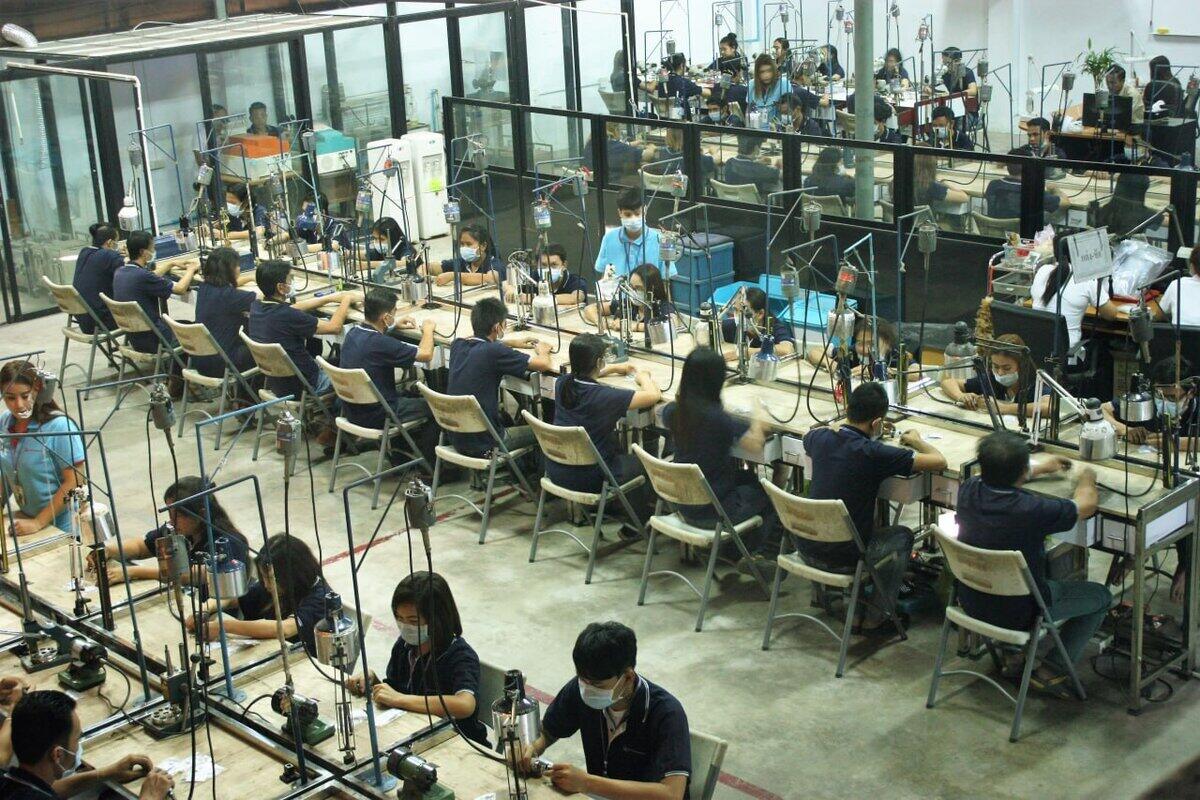
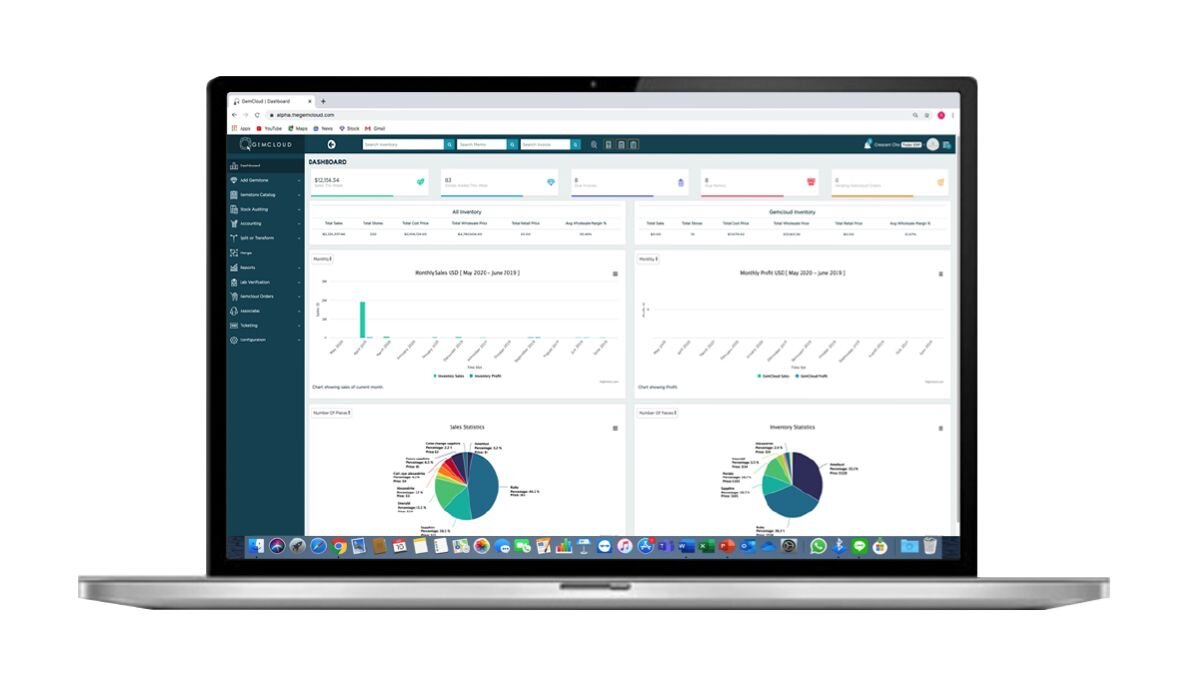
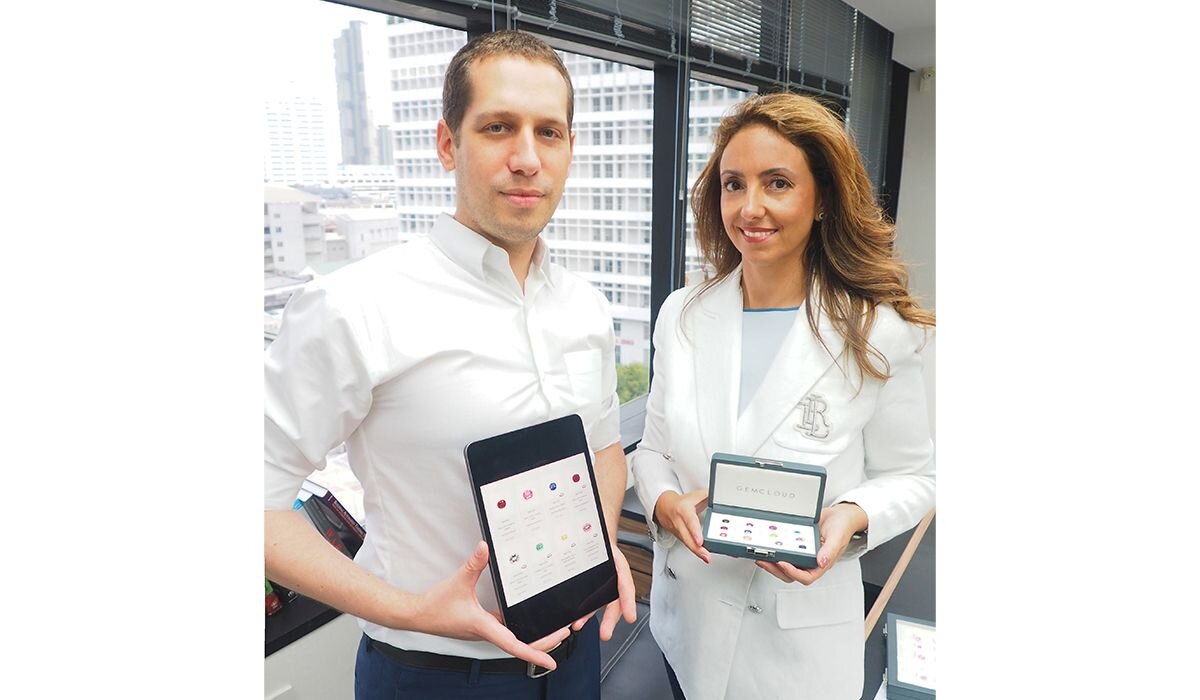
In 2019, I started GemCloud - a gemstone platform backed by Gemfields (LSE: GEM). We built it from scratch - inventory, purchasing, invoicing, manufacturing, accounting. All event-sourced. All real-time. We grew it until Gemfields took control in 2023, and I exited.
After 20 years, I can tell you the pattern. Every ERP fails for the same reasons:
Reason 1: Slow UI kills adoption
When updating a product price requires navigating to a material master, opening a sales tab, changing a field, saving, and going back - people stop using the system. They go back to spreadsheets. Gartner estimates 55-75% of ERP implementations fail to meet their objectives. The primary reason isn't technical. It's that staff refuse to use software that's slower than what they had before.
Reason 2: Setup takes months
A typical SAP implementation takes 14 months and costs $1.5 million for a mid-size company. Odoo is faster but still requires a consultant for configuration. By the time the system is live, the business has changed and the implementation is already out of date.
Reason 3: The business model is misaligned
SaaS ERP vendors make money when you pay monthly. They don't make money when you succeed. Your data is locked in their cloud. If you stop paying, you lose everything. The incentives are misaligned.
I kept seeing the same story. A business would buy ERP software. They'd spend months configuring it. Staff would resist adoption. The implementation would stall. The business would end up with an expensive system that nobody used, and a spreadsheet backup that everyone relied on.
What I did about it
After GemCloud, I wanted to see how much of this pain was technical, and how much was the implementation business model. So I built Celerp. It's built on a Code Elastic Layer - an architecture designed to be self-hosted, extensible, and easy to customize. Any developer can build modules for it, or businesses can find existing modules built by others.
Celerp runs as a desktop app that starts a local server with bundled Postgres. People in the office connect from their browsers. Developers can install it with pip install celerp. No consultants. No training. No IT department.
The key insight: setup speed is the primary differentiator. If you can download a product, import your data, and have a working ERP for your whole office in 2 minutes - you eliminate the adoption problem entirely. People don't resist software that works immediately. They resist software that takes months to configure.
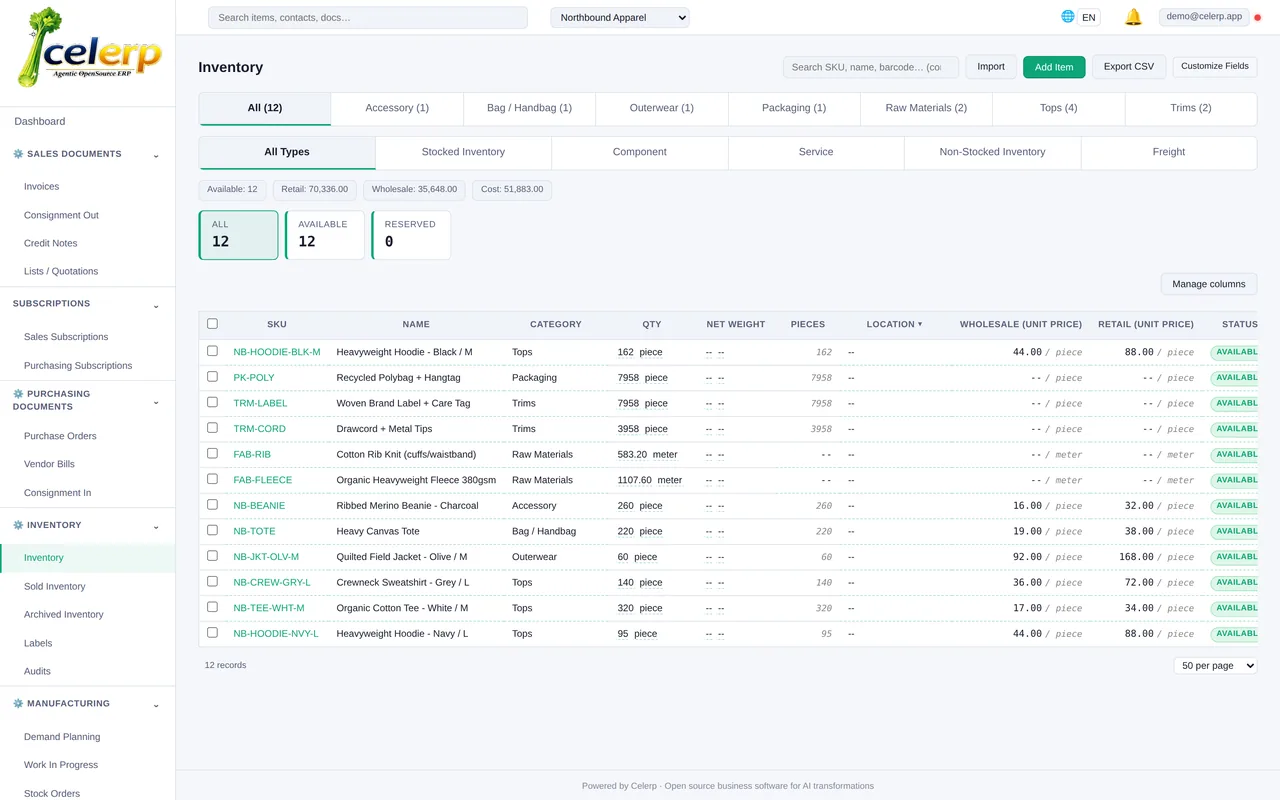
I also made something I'd never seen in any other ERP: click-to-edit data entry. Updating 50 product prices in SAP takes about 2 minutes per record - 100 minutes total. In Celerp, you click the column header, shift-click 50 rows, type the new price, and press Enter. 45 seconds. That's not a minor improvement. That's the difference between staff using the system and staff ignoring it.
Celerp includes inventory, purchasing, invoicing, manufacturing, accounting, barcode labels, CSV import, role permissions, an AI operator, and an immutable audit trail. It's free to self-host. The core is BSL, default modules are MIT, and the UI is source-available.
The lesson
After 20 years, I've learned that the best ERP isn't the one with the most features. It's the one that people actually use. And people use software that's fast, simple, and doesn't require a consultant to set up.
You can reach me on LinkedIn. I'm always happy to connect with other entrepreneurs and would love to hear how you're using the system.
Try Celerp for free
Download the desktop app and create your first invoice in 2 minutes. No account needed.
Download Free